

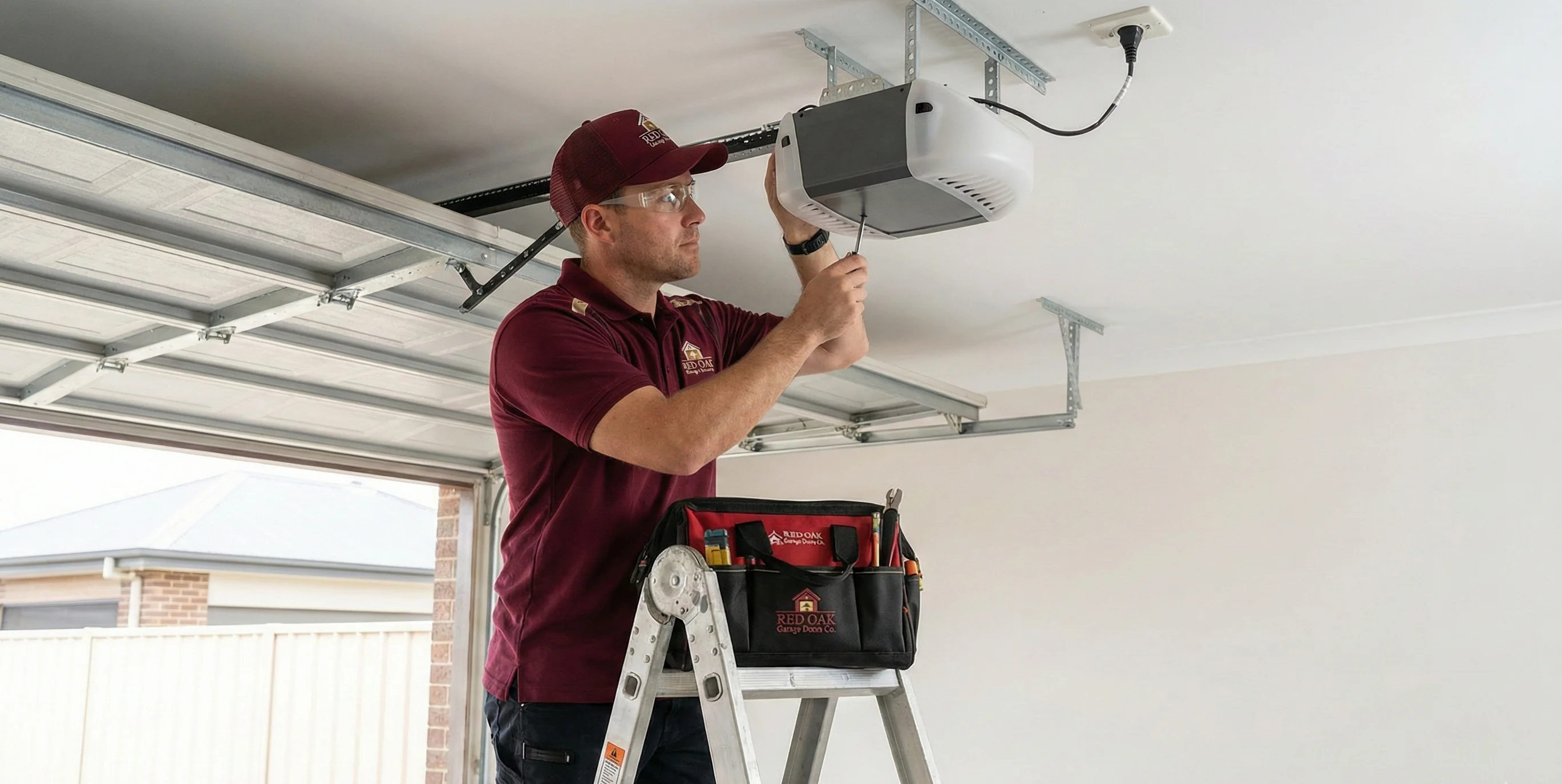
Your garage door is a lot more important than you might think. For many homes in the Dallas-Fort Worth metroplex, the garage door takes up to 30% or even 40% of the front of the house. That means when people drive by your home, it is one of the very first things they notice.
If your current door is dented, sagging, peeling, or making a terrible racket every time it opens, it is time for an upgrade. But buying a new garage door isn't like buying a new toaster. It is a major investment that affects your home’s security, its energy bills, and its overall curb appeal.
As a professional technician with 15 years of hands-on experience fixing, replacing, and installing doors across Texas, I have seen it all. I know what handles the scorching Texas summer heat, what survives a sudden spring hailstorm, and what looks best on a classic North Dallas ranch home or a modern design in Deep Ellum.
In this complete guide, we will walk through everything you need to know about professional garage door installation. We will cover styles, materials, insulation options, costs, and safety secrets so you can make the absolute best choice for your family and your budget.
Why a New Garage Door is a Smart Investment for Dallas Homeowners
Before we look at colors and windows, let’s talk about why replacing your old garage door is one of the smartest home improvement projects you can choose.
Boost Your Curb Appeal and Home Value
According to nationwide real estate data, replacing your garage door has one of the highest returns on investment (ROI) of any home remodeling project. In fact, you often recoup nearly 100% of the cost when you sell your home. A beautiful new door instantly makes your whole house look clean, modern, and well-maintained.
Lower Energy Bills in the Texas Heat
Dallas summers are famous for a reason—they are absolutely scorching! When the sun is beating down on your driveway, temperatures inside an uninsulated garage can quickly climb past 120°F. If your garage is attached to your living space, that intense heat transfers through the walls and ceilings, forcing your air conditioning system to work twice as hard. A properly insulated new door acts like a shield, keeping the heat outside where it belongs.
Enhanced Home Security and Safety
Older garage doors are easy targets for thieves. They lack modern rolling-code technology, which stops criminals from copying your remote control signal. Furthermore, old springs and cables can snap without warning, causing heavy doors to crash down. A brand-new system gives you peace of mind knowing your family and your belongings are completely safe.
Understanding Garage Door Styles: Matching Your Dallas Architecture
Dallas has a wonderful mix of architectural styles. From the historic craftsman homes in the M Streets to the grand estates in Preston Hollow and the sleek new builds in Plano, your garage door should match the unique personality of your home.
+------------------+------------------------------------+---------------------------------------+
| Home Style | Best Garage Door Match | Key Visual Features |
+------------------+------------------------------------+---------------------------------------+
| Traditional | Raised-Panel (Short or Long) | Classic rectangular clean lines |
| Craftsman/Ranch | Carriage House (Swing-out look) | Faux-hinges, handles, vertical slats |
| Modern/Contempo | Full-View Aluminum & Glass | Clean grid lines, frosted glass panels|
+------------------+------------------------------------+---------------------------------------+
1. Traditional Raised-Panel Doors
This is the most common style you see in neighborhoods across Texas. These doors feature clean, symmetrical rectangular panels raised slightly from the surface.
- Short Panels: These feature small, repeating rectangles. They look fantastic on traditional homes or houses with lots of detail on the front facade.
- Long Panels: These use longer, wider rectangles. They create a cleaner, less busy look that can make a smaller garage look wider.
2. Carriage House Doors
If you love rustic charm, historic character, or a farmhouse aesthetic, carriage house doors are a beautiful choice. They are designed to look exactly like old-fashioned stable doors that swing outward from the middle. However, they still roll straight up into the ceiling just like a standard sectional door! They often feature gorgeous decorative hardware like big black iron handles, faux-hinges, and cross-buck trim designs.
3. Modern and Contemporary Doors
For homes with flat roofs, sharp geometric lines, or industrial designs, a traditional door just won't cut it. Modern garage doors use sleek, flush panels with zero texturing, or they utilize big glass panels secured in strong aluminum frames. You can choose frosted, tinted, or completely clear glass to let natural sunlight fill your garage space during the day.
Selecting the Right Garage Door Material
Choosing the right material is a balance between how much maintenance you want to do, how tough the door needs to be, and your budget. Here is a breakdown of the most popular materials we handle during garage door installation appointments.
Steel Doors: The Durable All-Rounder
Steel is the undisputed king of garage doors. It is incredibly strong, very low maintenance, and relatively affordable.
- Pros: Steel doors won't warp, crack, or rot. They can be painted in almost any color and are often manufactured with realistic wood-grain textures stamped right into the metal.
- Cons: Steel can dent if hit hard enough by a stray basketball or a rogue trash can. Cheap, thin-gauge steel doors can also rust if the paint gets scratched off down to the bare metal. Always look for high-quality, double-skinned steel.
Wood Doors: Timeless, Natural Luxury
Nothing matches the rich, warm look of genuine wood. Whether it is cedar, redwood, or mahogany, a custom wood garage door is a true showstopper.
- Pros: Incredible natural beauty, unique grain patterns, and heavy-duty construction that naturally dampens sound.
- Cons: Wood requires regular upkeep. In the intense Dallas sun and humidity, you will need to scrape, repaint, or restain a real wood door every 2 to 3 years to stop it from warping, cracking, or rotting. It is also the most expensive material choice.
Wood Composite Doors: The Smart Alternative
If you love the look of real wood but absolutely hate the idea of spending your weekends painting and staining, wood composite is your answer. These doors use a strong steel frame covered in a durable resin composite material made from recycled wood fibers.
- Pros: It looks exactly like real wood from the curb, but it won't rot, split, warp, or crack. It resists moisture perfectly and requires very little maintenance.
- Cons: While cheaper than real custom wood, high-quality composite doors are still significantly more expensive than standard steel doors.
Aluminum and Glass Doors: Sleek and Rust-Resistant
Aluminum doors are lightweight, highly customizable, and completely immune to rust.
- Pros: Ideal for modern homes. They do not rust even in high humidity, and they put less strain on your garage door opener springs because they are so light.
- Cons: Aluminum is softer than steel, meaning it can dent easily. Large glass panels can also reduce your privacy unless you choose frosted or mirrored glass finishes.
The Critical Importance of Insulation in Texas
As a technician, if there is one piece of advice I give every single homeowner in Dallas, it is this: Do not skip out on garage door insulation. An uninsulated garage door is essentially a giant radiator. In July and August, it absorbs the scorching Texas sun and radiates that heat directly into your home. Let's look at the two main types of insulation used today.
+-----------------------------------+
| GARAGE DOOR INSULATION TYPES |
+-----------------------------------+
|
+-----------------------+-----------------------+
| |
v v
+-----------------------+ +-----------------------+
| POLYSTYRENE (PANELS) | | POLYURETHANE (FOAM) |
| * Budget-friendly | | * Spreads into gaps |
| * Rigid foam inserts | | * Highest R-Value |
| * Moderate insulation | | * Strengthens the door|
+-----------------------+ +-----------------------+
Understanding R-Values
When shopping for a door, you will see a number called an "R-Value." The R-Value measures how well a material resists heat flow. The higher the R-Value, the better the door is at insulating your garage. For a detached garage used only for parking a car, a low R-Value is fine. But for an attached garage, look for an R-Value of R-10 to R-16 or higher.
Polystyrene vs. Polyurethane Insulation
- Polystyrene: This looks like the stiff, white foam used in coolers. Rigid panels are cut to size and inserted into the back cavities of the steel door. It is a cost-effective option that provides decent temperature control.
- Polyurethane: This is a liquid foam injected directly between the inner and outer steel skins of the door. The foam expands to fill every square millimeter of space, bonding the layers together. Polyurethane provides double the insulating power of polystyrene and makes the door incredibly quiet and rigid against high winds.
Anatomy of a Garage Door System: Behind the Scenes
When you invest in a professional garage door installation, you aren't just buying the front panels. You are purchasing a complex mechanical system made of heavy-duty parts that must work together in perfect harmony.
[Opener Motor] ---> [Drive Chain/Belt] ---> [Torsion Spring]
|
v
[Track] <--- [Rollers] <--- [Door Panels] <--- [Cables]
Torsion Springs vs. Extension Springs
The springs do all the heavy lifting. Your garage door can weigh anywhere from 150 to over 400 pounds, and the springs neutralize that weight so you can lift it easily with one hand.
- Torsion Springs: These are mounted on a thick metal rod directly above the garage door opening. They tightly wind up and unwind to lift the door. They are safer, last longer, and handle heavy weights much better.
- Extension Springs: These are long, skinny springs stretched out horizontally along the upper side tracks. They are cheaper but can be dangerous if they break without safety cables running through them.
Tracks, Rollers, and Hinges
The tracks guide the door up into the ceiling, while the rollers sit inside the tracks to keep things moving smoothly. Standard steel rollers are noisy and require constant lubrication. Upgrading to heavy-duty nylon rollers with sealed ball bearings will instantly make your garage door whisper-quiet.
The Automatic Garage Door Opener
Your opener is the brain of the operation. Modern openers do far more than just spin a chain. They now feature built-in Wi-Fi, battery backups for when severe storms knock out your power, and bright LED corner-to-corner lighting systems. Look for a quiet belt-drive opener if your garage is located directly beneath a bedroom.
Real-World Troubleshooting: Signs Your Current Door Needs Immediate Replacement
Sometimes, homeowners call me out to fix a simple broken spring, but once I inspect the entire system, it becomes clear that a complete replacement is the safer, more financially sound choice long term. Here are some critical warning signs that your door is nearing the end of its life:
1. Structural Sagging or Warping
Take a look at your door while it is closed. Is the middle section sagging downward? If you have a wood door, are the bottom panels waterlogged, rotted, or split? A structurally warped door puts immense friction on the tracks, which can burn out your expensive opener motor and create a major collapse hazard.
2. Excessive Noise, Shaking, and Jerking
While old garage doors are rarely perfectly silent, they shouldn't sound like a freight train crashing through your driveway. If your door violently shakes, pauses mid-travel, or screeches despite regular lubrication, the tracking geometry is likely bent, or the internal door reinforcement plates have failed.
3. Frequent, Costly Repair Bills
If you are calling out a technician every few months to replace a snapped cable, fix a broken hinge, or realign sensors, you are throwing good money after bad. Investing that money into a brand-new system with a solid structural warranty will save you cash and stress over time.
The Professional Installation Process: What to Expect
Many homeowners wonder if they can tackle a garage door swap over the weekend as a DIY project. I strongly advise against this. Garage door springs operate under immense mechanical tension—enough force to cause severe injury or property damage if handled incorrectly.
When you hire professionals like Red Oak Garage Doors Co, here is exactly how we ensure a safe, flawless installation:
- Site Inspection & Precision Measuring: We measure the width, height, headroom, and backroom clearance down to the fraction of an inch to ensure an airtight seal.
- Safe Takedown and Disposal: We carefully unwind the old high-tension springs, disassemble the old panels, and haul away all the waste to be responsibly recycled.
- Track and Structural Framework Setup: We install fresh, heavy-duty vertical and horizontal steel tracks, ensuring everything is perfectly level and plumb.
- Panel Assembly and Hinge Placement: We build the door section by section from the ground up, adding structural reinforcement struts where needed.
- Spring Calibration: We calculate the exact weight of your new door and wind the torsion springs to the perfect tension balance point.
- Safety Testing: We rigorously test the auto-reverse safety sensors and mechanical force settings to protect kids, pets, and vehicles.
Pro Maintenance Secrets to Keep Your New Door Running for Decades
Once your beautiful new door is installed, you want it to last as long as possible. Here are three simple, technician-approved maintenance habits you should perform twice a year:
The Visual & Audio Test: Once a month, stand inside your garage and open the door using the wall button. Watch it move and listen closely. It should move smoothly without sudden jumps, jolts, or grinding noises. If you notice a change, catch it early before it snaps a part!
1. Keep Moving Parts Properly Lubricated
Never use thick automotive grease or standard WD-40 on your garage door tracks! WD-40 is a degreaser, not a long-lasting lubricant, and it will actually attract dirt, dust, and grime that clog up your rollers. Instead, buy a dedicated premium lithium-based or silicone spray lubricant. Generously spray the steel rollers, hinges, pivot points, and the entire length of the springs.
2. Clean and Clear the Tracks
Instead of lubricating the inside of the metal tracks, keep them clean. Take a damp rag and wipe out any accumulated spider webs, dust, or dried debris from the inside lips of the tracks. Clean tracks keep your rollers from sliding and wearing down flat on one side.
3. Tighten Up the Hardware
Your garage door vibrates thousands of times per year. Over time, that constant vibration can slowly loosen the nuts and bolts holding the hinges and track brackets together. Take a standard socket wrench and spend fifteen minutes checking and gently tightening any loose fasteners you find.
Frequently Asked Questions (FAQs)
Can I reuse my existing garage door opener with a brand-new garage door?
Yes, as long as your existing opener is in safe working condition, meets modern safety sensor standards, and has enough horsepower to lift the weight of your new door style.
How long does a professional garage door installation typically take to finish?
A standard residential single- or double-car garage door installation is usually completed smoothly in about three to four hours by an experienced two-person technician crew.
What should I do if my garage door spring snaps in the middle of the night?
Leave the door completely closed, do not attempt to pull the emergency release cord or use your automatic opener, and call for professional service immediately to avoid dropping the heavy door panels.
How do I know if my garage door is properly balanced without a technician?
Pull the red emergency release cord while the door is fully closed, then lift the door manually halfway up; if it stays in place on its own without falling or flying upward, your system is perfectly balanced.
Final Thoughts
Choosing a new garage door for your Dallas home is a fantastic way to elevate your home’s look, slash your monthly air conditioning costs, and keep your family secure. By picking the right style to match your architecture, choosing a durable material like steel or composite, and investing in high R-value insulation, you will enjoy a beautiful, whisper-quiet system that works perfectly every single day.
Remember, a garage door is a massive mechanical system under heavy tension. For a flawless fit and complete peace of mind, always trust your installation to seasoned local professionals who know Texas homes inside and out.
How Can Red Oak Garage Doors Co Help You?
Ready to completely transform your home’s curb appeal with a stunning, durable new garage door? Let the local experts at Red Oak Garage Doors Co handle your next project! We provide top-tier, reliable garage door installation services customized to your budget, style preferences, and lifestyle needs.
Whether you need emergency repair assistance, preventative maintenance, or a beautiful custom design quote, our friendly team is ready to deliver fast, elite service anywhere in the Dallas community. Contact us today to schedule your free on-site design consultation!
- Business Address: 901 East 5th Street, Dallas, TX
- Phone Number: (469) 564-0070
Website Resources: For more details on choosing high-quality entry systems or building materials, check out the DASMA Technical Information Guides or read the comprehensive home maintenance tips from the International Association of Certified Home Inspectors. For official safety regulations on automated entry doors, you can also review the updated guidelines on the U.S. Consumer Product Safety Commission portal.