

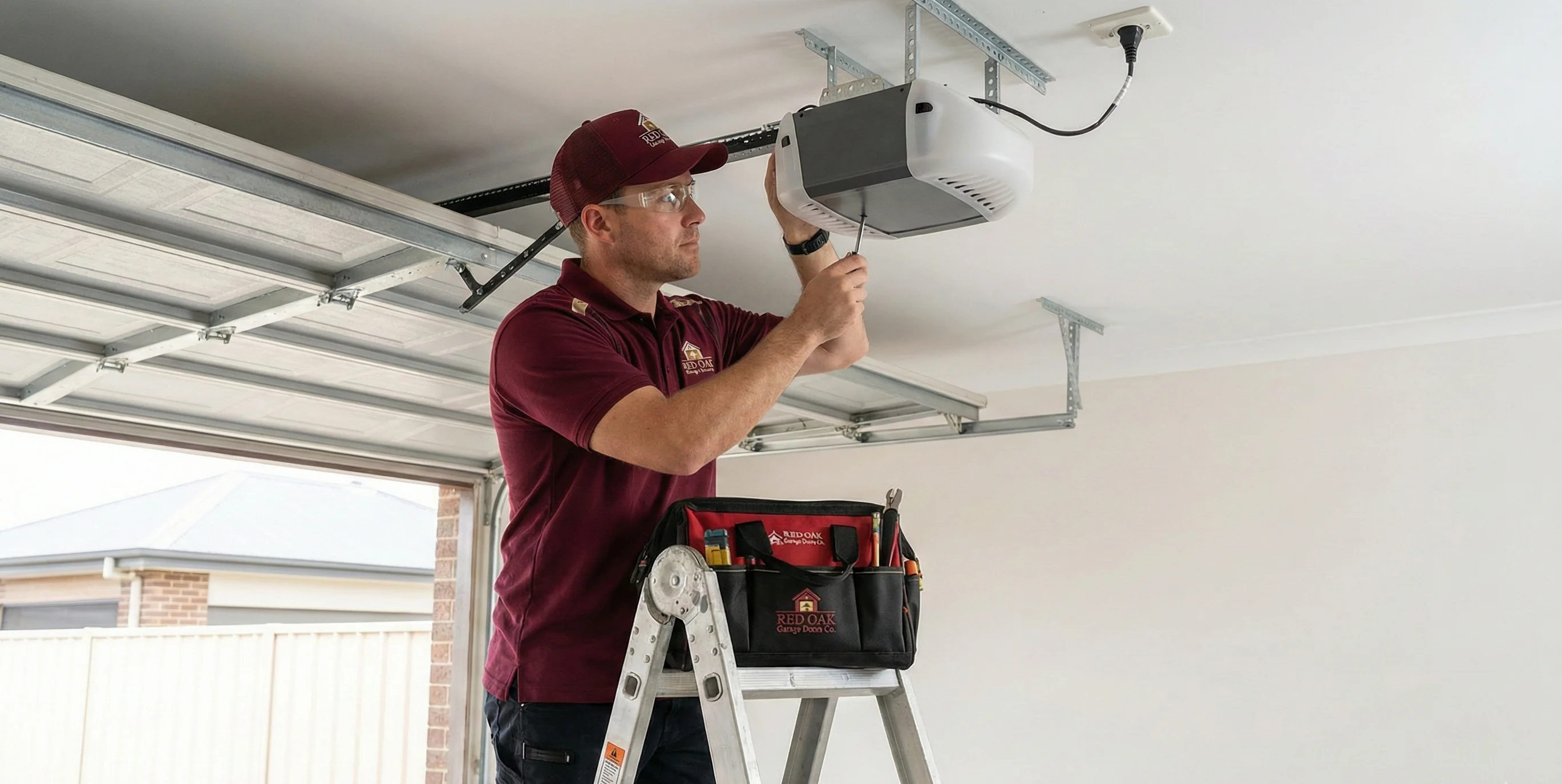
Last year, we received a call from a family in the heart of Dallas, TX. They had just moved into a beautiful 1980s ranch-style home, but the old door was a massive eyesore. It was heavy, rusted, and the garage door opener sounded like it was screaming for help every time it moved. They were worried about the safety of their kids playing in the driveway. After we completed the garage door installation, not only did the house look brand new, but the neighbor actually stopped by to ask if they had remodeled the entire front of the house. A single upgrade changed the whole feel of the property.
According to the latest "Cost vs. Value" reports, a high-quality garage door replacement is consistently ranked as the #1 home improvement project for return on investment. In the North Texas market, homeowners often see a value increase that covers nearly 95% of the installation price. This makes it a smarter financial move than remodeling a kitchen or adding a deck. When you consider the curb appeal and the added security, it’s easy to see why so many residents in zip code areas around Dallas are making the switch to modern Designs.
As a homeowner, you might think a door is just a door, but the science behind modern construction has changed significantly. In Dallas, we deal with extreme heat and the occasional ice storm. Having a door with the right insulation and durability is essential for maintaining your energy efficiency. In this guide, we will walk you through every step of the project, from choosing the right tools and materials like 25-gauge steel to the final adjustments made on installation day. Our goal is to make sure you feel like an expert before you even get your first cost estimate.
Why Invest in a New Garage Door?
The first thing to understand is that your garage door accounts for up to 40% of your home's exterior visual space. If the door panels are dented or the colors are fading, it drags down the look of the entire house. Beyond looks, a new door provides better reliability. Older doors rely on aging torsion springs that can snap without warning. By upgrading, you are investing in the safety of your family and your vehicles.
Modern garage doors are also much quieter. If you have a bedroom above the garage, you know how annoying a vibrating track can be. Today’s series of doors comes with nylon rollers and three-layer models that dampen sound, providing a quiet operation that won't wake the whole home when you leave for work early in the morning. You can learn more about home value trends and ROI at Remodeling Magazine's Cost vs. Value Report.
Material Options and Durability
When selecting your new garage door, the material is your most important decision. Steel is the most popular because it offers a premium look without the high maintenance of wood. Most retailers offer a range of stock steel doors, but at Red Oak Garage Doors Co., we focus on durability. We recommend 25-gauge steel because it is thicker and less likely to dent than the thinner metal found at big-box retailers.
For those looking for a specific look, the carriage house style is very popular in Dallas. These look like old-fashioned swing-out doors but operate on a standard track. You can choose from long panel styles or stamped steel carriage designs. If you want something truly unique, a custom garage door allows you to pick specific window options, decorative hardware, and various colors that perfectly match your home's trim.
If you are interested in the technical specifications of steel manufacturing and grades, the Door & Access Systems Manufacturers Association (DASMA) provides excellent resources on industry standards for safety and wind load requirements.
The Importance of Insulation and Energy Efficiency
In the Texas sun, an uninsulated garage can reach temperatures of over 120 degrees. This heat transfers through the bottom panel and into your house, forcing your air conditioner to work harder. That is why insulation is a "must-have" feature. We offer a thick three-layer polyurethane insulation. This is a foam that is injected between two layers of steel, creating a solid, energy-efficient sandwich. It makes the door stronger and much better at keeping the heat out.
Think of energy efficiency as an investment that pays you back every month in lower utility bills. Even a little bit of extra insulation can make the garage a usable space for a workshop or gym, rather than a sauna. When reviewing your cost estimate, pay close attention to the R-value, which measures how well the door resists heat flow. The higher the number, the better the performance.
The Role of the Garage Door Opener
You can't have a great installation without a high-quality garage door opener. Modern openers are no longer just motor-driven chains. They now feature Wi-Fi connectivity, allowing you to monitor your garage from your smartphone. This is a great safety feature—no more driving back home because you forgot to close the door!
There are different types of drive systems: chain, belt, and side-mount. Belt drives are the gold standard for quiet operation. During the installation process, we ensure the opener is perfectly balanced with the spring tension. If the spring is doing its job, the opener should only have to use a little bit of power to lift the door panels. This extends the life of the motor and prevents expensive repair bills down the road.
Step-by-Step Guide to Installation Day
Many homeowners ask what to expect when we show up for installation day. It is a complex process that requires precision. Here is how our professionals handle the work:
Step 1: Removal of the Old Door. We begin by carefully releasing the tension in the torsion springs. This is a critical step that should never be attempted as a do-it-yourself project, as the spring can cause serious injury. We then disassemble the old door and the old track.
Step 2: Preparing the Opening. We check the wood framing (the jambs) to ensure they are solid. We use a lag screw to secure the new track brackets. Using the right tools, like a laser level, we ensure the track is perfectly vertical and aligned.
Step 3: Installing the Panels. We start with the bottom panel, which has the weather stripping. We attach the hinge hardware and rollers, then slide it into the track. We continue screwing the hinges to the subsequent door panels until the stack is complete. If you choose window options, we are extra careful with the glass panels to ensure they are seated correctly.
Step 4: The Spring System. We install the torsion bar and springs above the door header. We wind the spring to the exact tension required for the weight of your specific series of doors. This is where reliability is born; a well-balanced door can be lifted with one hand.
Step 5: Final Adjustments. We connect the garage door opener and the safety sensors. We test the door’s operation multiple times, checking the thread on every screw and making sure the lag screws are tight. We finish with final adjustments to the limits and force settings of the motor.
Section 6: Common Mistakes to Avoid. One of the common mistakes homeowners make is trying to save money by using an old track with a new door. Tracks are designed for specific door thicknesses and weights. Mixing and matching can lead to the door binding or falling. Another mistake is ignoring the spring quality. Always insist on high-cycle springs that are rated for 10,000 to 20,000 cycles.
Furthermore, don't forget the window options. While they look great, adding too many windows at the top can make the door top-heavy if the spring isn't adjusted correctly. Always consult with a general contractor, Tom, or a specialized door technician to ensure the weight distribution is okay. For more safety tips and to see why professional installation is key, visit The National Safety Council to learn about garage safety standards.
Maintenance and Longevity
Your new door is an investment that should last 20 years or more. However, routine maintenance is required. You should check the lag screws and hinge bolts twice a year to make sure nothing has vibrated loose. Lubricating the track and rollers with a silicone-based Spray will ensure quiet operation and prevent the metal from grinding.
If you live in a high-wind area of Dallas, check the construction of your bottom panel periodically for any signs of bit corrosion or wear. If you catch a small repair early, it prevents you from needing a whole new installation later. Reliability comes from care.
Frequently Asked Questions (FAQs)
Q: Can I replace just one damaged panel instead of the whole door?
A: Yes, if the door is a current series, we can often order a matching panel. However, if the old door is faded from the sun, the new panel might have a slightly different color bit, so many people choose a full installation for a uniform look.
Q: What is the difference between an extension spring and a torsion spring?
A: Extension springs run along the side track and stretch, while torsion springs sit above the door and twist. Torsion springs are much safer and provide a smoother operation, which is why we use them for all our premium residential garage door projects.
Q: How do I know if my door is properly balanced?
A: Pull the emergency release cord on your opener and lift the door halfway by hand. If it stays in place, it’s balanced. If it crashes down or flies up, your spring needs professionals to
adjust it.
Q: Will a new garage door help with my Wi-Fi signal in the garage?
A: Actually, a thick three-layer polyurethane steel door can act as a shield, sometimes making it harder for signals to pass through. We recommend a garage door opener with a
strong internal antenna or a Wi-Fi extender to ensure your smart features work perfectly.
Final Thoughts
Choosing a garage door installation is about more than just picking a pretty design. It is about understanding the materials, the insulation, and the safety systems that protect your home. From stamped steel carriage doors to modern glass designs, the options in Dallas are endless. By following this step-by-step guide and avoiding common mistakes, you can ensure your project is a success. Remember, a new door isn't just an expense—it's an upgrade to your lifestyle and your home's curb appeal. When you choose quality work and premium durability, you are choosing peace of mind for years to come.
How Can Red Oak Garage Doors Co. Help You?
At Red Oak Garage Doors Co., we are your local experts for all things garage doors. Whether you need an example estimate, a repair on your torsion springs, or a brand-new custom garage door, our team is ready to work for you. We bring the right tools and the right attitude to every house we visit.
Address: 901 East 5th Street, Dallas, TX
Phone: (469) 564-0070
Contact us today and let us give your home the curb appeal it deserves with a professional installation!