

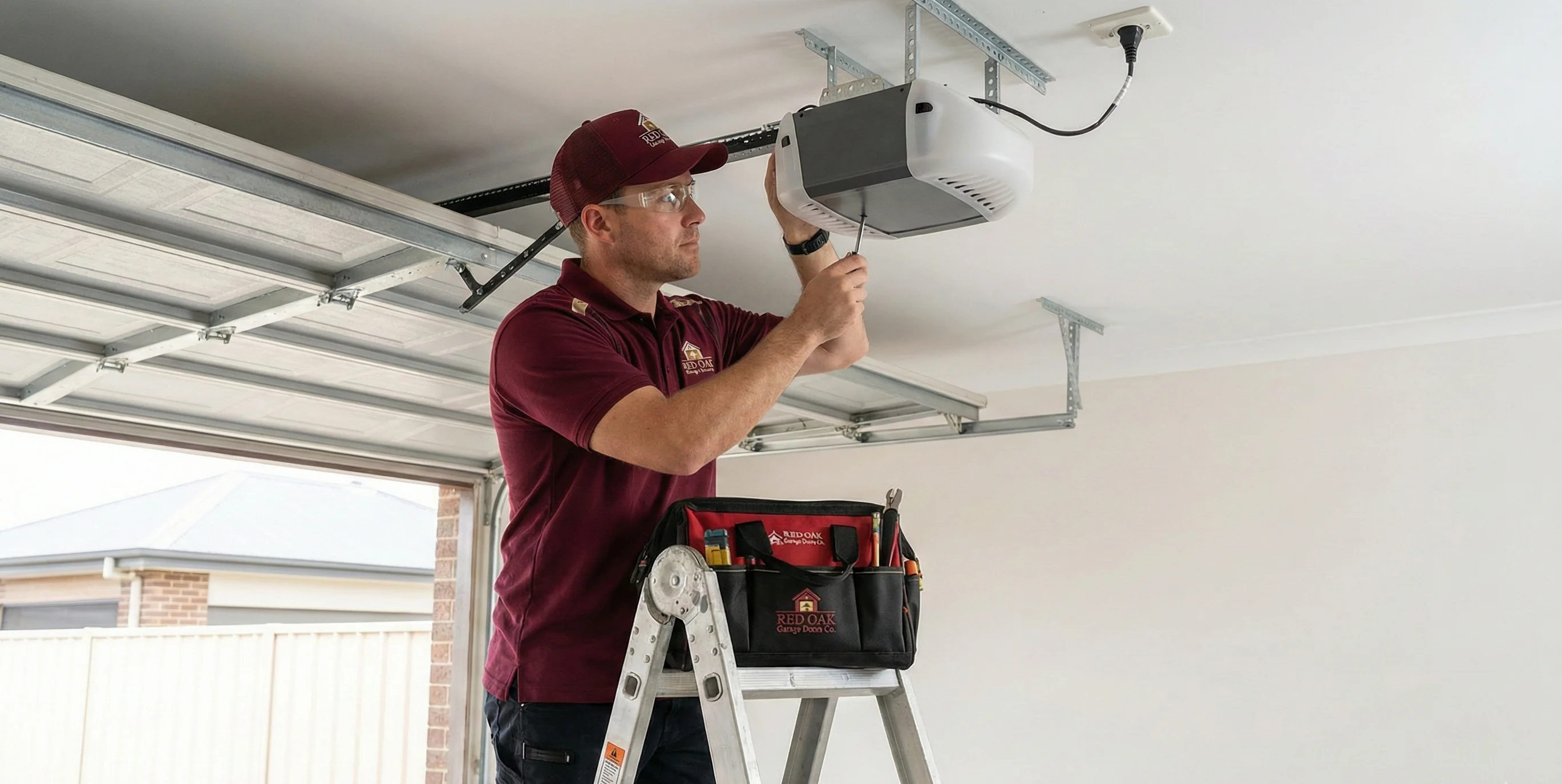
Your garage door is more than just a massive moving wall; it is the primary entrance to your home, a major player in your property’s curb appeal, and your first line of defense against the intense Texas heat. When a door starts making grinding noises, gets stuck halfway, or simply looks outdated, replacing it becomes a top priority. But before tearing down those old metal panels, most homeowners want to know exactly what they are getting into financially. Understanding the garage door installation cost Dallas, TX residents typically pay can help you budget correctly and avoid surprise charges.
Whether you are looking for a basic steel door for a rental property or a custom cedar carriage-house door to match your neighborhood's upscale aesthetic, this guide will walk you through everything you need to know. We will break down material prices, labor fees, hidden costs, and crucial safety standards so you can make an informed, confident decision.
The Factors That Determine Installation Prices
Garage door replacement is not a one-size-fits-all service. Prices fluctuate widely based on the specific choices you make. In the Dallas-Fort Worth area, a standard single-car door installation might start around $900, while a heavily insulated, custom double-car door can easily exceed $3,500.
Networx
Door Materials
The material you select is the largest single factor in your overall budget. Here is how the most popular options compare:
- Steel ($500 – $2,000+ for materials): Steel is the most popular choice in Dallas. It is highly durable, requires very little maintenance, and can be stamped to mimic the look of wood. While basic single-layer steel doors are budget-friendly, heavier-gauge steel with thick insulation will push the price higher.
- Wood ($1,200 – $4,000+ for materials): If you live in an HOA-regulated neighborhood that demands a premium aesthetic, natural wood is stunning. However, wood is heavy, expensive, and requires regular sealing to prevent warping or rotting in the humid Texas climate.
Networx - Aluminum and Glass ($1,500 – $3,500+ for materials): Modern homes often feature aluminum frames with frosted or tinted glass panels. These doors are rust-proof and allow natural light into the garage, but they offer poor insulation unless you pay a premium for thermal breaks and insulated glass.
- Fiberglass ($1,000 – $2,500+ for materials): Fiberglass is an excellent alternative to wood. It resists moisture, will not rust, and holds up well against salt and humidity. However, extreme freezing temperatures—which occasionally hit North Texas—can cause lower-quality fiberglass to crack over time.
Size and Scope
The size of your opening directly dictates how much material is required.
- Single-Car Doors (Typically 8x7 or 9x7 feet): The installed cost for a basic single door usually ranges from $900 to $1,800.
Networx - Double-Car Doors (Typically 16x7 feet): Standard double-car doors run between $1,600 and $3,000 to install.
Networx
If your home has a custom-sized opening, such as for an RV garage or an older, non-standard build, you will need to pay for a custom-ordered door. Custom sizes often increase the base price by 20% to 30%.
Insulation (R-Value) and Texas Heat
In Dallas, summer temperatures routinely break 100 degrees. If your garage is attached to your home, an uninsulated door will turn the space into an oven, driving up your home cooling costs. Insulation is measured by its "R-value." The higher the R-value, the better the thermal efficiency.
Insulation Type | R-Value Range | Best For | Impact on Cost |
No Insulation | R-0 | Detached garages, sheds | Lowest cost |
Polystyrene | R-6 to R-10 | Mild climates, basic attached garages | Adds $100 - $300 |
Polyurethane | R-12 to R-20+ | Climate-controlled garages, extreme heat | Adds $300 - $600+ |
Investing in polyurethane insulation [Clopay Insulation Guide] is highly recommended for Dallas homeowners who use their garage as a workshop, gym, or laundry room.
Labor, Hardware, and Hidden Costs
When you receive a quote for the garage door installation cost Dallas, TX technicians provide, the price of the physical door is only one piece of the puzzle. Labor, specialized hardware, and administrative requirements all add to the final tally.
Professional Labor
Installing a garage door is dangerous work. The door itself can weigh anywhere from 100 to 400 pounds, and the torsion springs are wound under extreme tension. Professional installation labor typically accounts for $300 to $800 of your final bill. This fee covers the removal of the old door, alignment of the new tracks, balancing of the springs, and programming of the opener.
Networx
Garage Door Openers
Unless you are manually lifting your door, you will need an automatic opener. If your current opener is more than 10 years old, it is usually wise to replace it simultaneously with the new door to ensure compatibility and extend the life of your system.
- Chain-Drive ($150 – $300): The most affordable option, but very loud. Best for detached garages.
- Belt-Drive ($200 – $500): Uses a rubber belt instead of a metal chain. These are exceptionally quiet and perfect for garages located directly beneath or adjacent to bedrooms.
- Wall-Mounted/Jackshaft ($300 – $600): Mounts to the wall beside the door rather than the ceiling. These free up overhead space and operate very quietly.
Adding a new opener and the associated labor will increase your total project cost by roughly $300 to $900.
Permits and HOA Approvals
Before any work begins, you must account for local regulations. The Town of Dallas often requires building permits for major structural changes or extensive electrical work. Check the Dallas municipal portal [DFW Building Permits] to confirm if a standard door swap requires a permit in your specific zoning area. Additionally, many Dallas neighborhoods are governed by strict Homeowners Associations (HOAs). Always submit your design, color, and material choices to your HOA architectural committee for approval before purchasing a door. Failing to do so can result in hefty fines and being forced to replace a brand-new door.
PermitsGuide.com
Disposal Fees
Your old garage door must go somewhere. Most professional installers charge a haul-away and disposal fee, which ranges from $50 to $150. This covers the labor of cutting down the old panels and the landfill or recycling center dump fees.
Should You Repair or Replace? Troubleshooting Tips
Many homeowners assume they need a brand-new door when a simple repair would suffice. If you are on the fence, here are a few common scenarios and what they usually mean for your budget.
Scenario 1: The door is heavily dented or damaged. If you backed your car into the bottom panel, you might only need to replace that specific section. Panel replacement costs between $250 and $800, depending on the model. However, if the door is old and the manufacturer no longer makes that specific panel, a full replacement is required.
Scenario 2: The door won't lift, and you hear a loud hum. This is almost always a broken torsion spring or a stripped gear in the opener. Replacing a broken spring costs roughly $200 to $400. You do not need a new door for this issue, just a trained technician to safely install new hardware.
Scenario 3: The door opens unevenly or gets stuck. If the door shudders, goes up crooked, or jams in the tracks, you likely have a frayed cable or a bent track. Continuing to force the door can cause it to completely derail, which is a massive safety hazard. A track alignment and cable replacement will solve this without the need for a total door replacement.
Scenario 4: The wood is rotting at the bottom. Once wood rot sets in, it spreads quickly. While you can patch minor areas with wood filler, extensive rot compromises the structural integrity of the door. In this case, full replacement is the most cost-effective long-term solution.
What to Expect During the Installation Process
If you have decided to move forward with a replacement, here is a step-by-step look at how professional technicians handle the job on site.
- Site Inspection and Measurements: The technician will measure the width and height of the opening, the internal headroom (space above the door), the backroom (depth of the garage), and the sideroom. These measurements ensure the tracks and opener will fit perfectly.
- Dismantling the Old System: The team will safely unwind the old tension springs. Never attempt this yourself—unwinding springs without the proper tools and training can result in severe injury or death. The old panels, tracks, and hardware are then removed.
- Installing the New Tracks and Hardware: New vertical and horizontal tracks are leveled and bolted to the framing. The new rollers, hinges, and bottom weather stripping are prepared.
- Stacking the Panels: Starting from the bottom, each panel is set in place and bolted to the hinges of the adjacent panels.
- Spring System Installation: The new torsion or extension springs are installed and carefully wound to the precise tension required to counterbalance the exact weight of the new door.
- Opener Connection and Testing: The door is connected to the automatic opener. The technician will adjust the travel limits (how far the door goes up and down) and test the safety reversal system.
Crucial Post-Installation Maintenance and Safety
Once you have invested in the garage door installation cost Dallas, TX contractors charge, you want to protect that investment. A new garage door should last 15 to 30 years, but only if properly maintained.
Monthly Balance Tests: Disconnect the door from the opener by pulling the red emergency release cord. Manually lift the door halfway up and let go. If the door crashes to the floor or shoots upward, the springs are out of balance and require professional adjustment. If it stays in place, the balance is perfect.
Lubrication is Key: Every six months, apply a lithium-based garage door lubricant to the hinges, rollers, springs, and tracks. Never use WD-40, as it is a degreaser and will actually strip away the lubrication you need, causing parts to grind and wear out prematurely.
Testing the Photo-Eye Sensors: The safety sensors located near the floor on either side of the door prevent the door from crushing objects in its path. To test them, close the door using your remote and wave a broom handle in front of the sensor beam. The door should immediately stop and reverse direction [IDA Safety Standards]. If it does not, clean the sensor lenses with a microfiber cloth and ensure they are perfectly aligned facing each other.
Frequently Asked Questions (FAQs)
Can I install a garage door myself to save money? While you can purchase materials directly, DIY installation is highly dangerous due to the extreme tension of torsion springs and the immense weight of the door panels. Professional installation ensures proper track alignment, honors manufacturer warranties, and prevents severe injury.
How long does it take to install a new garage door? A trained professional team can typically remove an old door and completely install a new standard residential door system in four to six hours. Custom doors or structural modifications to the garage framing will add additional time to the project.
Does a new garage door increase home value in Dallas? Yes, replacing an outdated garage door is consistently ranked as one of the top home improvement projects for return on investment, often recouping over 90% of the cost in increased property value. A modern door instantly elevates the home's exterior appeal.
What is the difference between torsion and extension springs? Torsion springs are mounted directly above the door and use torque to lift the heavy panels smoothly and safely. Extension springs stretch along the horizontal tracks on either side of the ceiling and are generally considered older technology that requires more frequent replacement.
Navigating home improvements can feel overwhelming, but arming yourself with accurate information transforms the process from stressful to straightforward. Upgrading your garage door enhances your property’s security, dramatically improves your daily convenience, and gives the front of your house a stunning facelift. By understanding the true costs of materials, labor, and vital insulation, you can budget accurately and choose a system that will withstand the North Texas climate for decades. Ensure you prioritize professional installation and seasonal maintenance to get the absolute best performance and lifespan out of your new investment.
How Can Red Oak Garage Doors Co Help You?
If you are ready to upgrade your home and want an accurate, no-obligation estimate on the garage door installation cost Dallas, TX homeowners trust, we are here to assist. At Red Oak Garage Doors Co, we bring 15 years of expert technical experience directly to your driveway. We handle everything from HOA compliance guidance to flawless, safety-certified installations. Stop wrestling with a loud, broken, or ugly garage door today.
Red Oak Garage Doors Co
901 East 5th Street, Dallas, TX
Call us today at (469) 564-0070